

TL;DR — How long a cookware set lasts depends almost entirely on the material and how you treat it. Nonstick (Teflon or ceramic) is the shortest-lived at roughly 3-5 years before the coating degrades; stainless steel lasts 15-20 years or more; hard-anodized aluminum runs 5-10 years; carbon steel and copper last decades; and cast iron is effectively a lifetime, even multi-generational, tool. Replace any pan when the surface is chipping into food, warped so it won’t sit flat, or rusted and unusable. For picks, see our best cookware sets guide.
The HomeWhisk editorial team researches kitchen equipment by analyzing material construction, manufacturer warranties, and aggregated owner reviews from major retailers and communities like Reddit r/cookware and r/castiron. “How long does cookware last” has no single answer because a nonstick skillet and a cast-iron Dutch oven are barely the same category of object. The honest way to answer is material by material, plus the universal signs that any pan is done. Here is the full breakdown.
Lifespan is driven by two things: the material’s inherent durability and how much care it gets. A cheap nonstick pan tossed in the dishwasher and scraped with metal will die in a year; a stainless pan treated the same way shrugs it off. Below, the realistic lifespans and what shortens or extends them.
How to Tell When Cookware Is Worn Out
Before the material-by-material numbers, learn the universal retirement signals. These apply to any pan and matter more than age alone.
- Chipping, peeling, or heavily scratched coating. On nonstick, once the surface flakes or the base metal shows through, retire it — flakes end up in food and the pan no longer releases. Deep scratches on any coating are the beginning of the end.
- Rust on the surface or handles. Surface rust on cast iron or carbon steel scrubs off and re-seasons, but rust that pits the metal, or corrosion on stainless rivets and handles, signals real degradation.
- Loose or wobbly handles. Rivets loosen over years of heat cycling. A handle you cannot re-tighten is a safety hazard with a hot, heavy pan.
- Warping. A base that no longer sits flat spins on the burner, heats unevenly, and rocks on induction or glass cooktops. Warping usually comes from thermal shock (a hot pan hitting cold water).
- A scorched, discolored base that won’t clean. Cosmetic on its own, but often a sign of chronic overheating that has also degraded the interior.
If a pan shows these, its useful life is over regardless of how new it is. If it does not, it may have many years left. Now the material specifics.
Nonstick Cookware: 3-5 Years
Nonstick is the shortest-lived cookware and the reason many “sets” feel disposable. Traditional PTFE (Teflon) coatings are a soft polymer bonded to aluminum. Every use, especially at high heat and with metal utensils, wears the coating microscopically until food starts sticking and the surface degrades. Realistic lifespan is 3 to 5 years with careful use, sometimes as little as one to two years with abuse.
What kills nonstick fastest: high heat (PTFE begins breaking down above roughly 500 degrees F), metal utensils, abrasive scrubbers, dishwasher detergent, and stacking pans without protection. What extends it: low-to-medium heat only, silicone or wood tools, hand-washing, and gentle sponges.
Ceramic nonstick (a sol-gel silica coating) is often marketed as a healthier alternative, but it typically wears even faster than PTFE — frequently losing its release within one to three years — because the coating is thinner and less heat-tolerant over time. Either way, treat nonstick as a consumable you will replace periodically, not a lifetime investment. Our best nonstick cookware guide focuses on which coatings last longest.
Stainless Steel Cookware: 15-20+ Years
Stainless steel is the workhorse that outlasts almost everything. It has no coating to wear off; the cooking surface is the same durable alloy all the way through, so it tolerates metal utensils, high heat, the dishwasher, and metal-on-metal scrubbing. A quality tri-ply or fully-clad stainless set (stainless bonded to an aluminum or copper core for even heating) realistically lasts 15 to 20 years, often far longer — many owners pass sets down for decades.
Stainless does not so much wear out as accumulate cosmetic issues: discoloration, rainbow “heat tint,” and stuck-on residue, all of which clean up with a product like Bar Keepers Friend. The real failure modes are rare: warping from severe thermal shock, or a delaminating clad base after decades of hard use. For most homes, a good stainless set is a buy-it-once purchase, which is why it anchors most quality collections. See our best cookware sets guide for clad options.
Cast Iron, Carbon Steel, and Copper: Decades to a Lifetime
These traditional materials are the longevity champions, on a completely different timescale from coated cookware.
Cast iron is effectively immortal. It is a thick slab of iron with no coating to fail; the nonstick property comes from a seasoning layer of polymerized oil you can rebuild indefinitely. Even a rusted, neglected cast-iron pan can be stripped, re-seasoned, and returned to full service. Antique Griswold and Wagner pans from a century ago are still in daily use, and a cast-iron pan or Dutch oven bought today can outlive its owner.
Carbon steel is cast iron’s lighter, thinner cousin, seasoned the same way and equally long-lived — decades with basic care. It is the standard in professional kitchens precisely because it survives constant abuse. Like cast iron, its enemy is only prolonged moisture; surface rust wipes off and re-seasons.
Copper cookware lasts for decades and is often heirloom-grade, but with a caveat: the interior lining (historically tin, now usually stainless) is the wear part. Tin-lined copper needs re-tinning every 10-20 years as the soft lining thins; stainless-lined copper avoids that. The copper body itself essentially never wears out. See our best copper cookware guide for lined options that minimize maintenance.
Hard-anodized aluminum sits in between: the electrochemically hardened aluminum surface is tough and lasts 5 to 10 years, but many hard-anodized pans also carry a nonstick coating, and that coating fails on the usual 3-5 year nonstick timeline even though the pan body survives longer.
How to Make Any Cookware Set Last Longer
Care habits can double the lifespan of most cookware. A few material-aware rules cover nearly everything.
- Match heat to the material. Nonstick lives on low-medium heat; stainless, cast iron, and carbon steel handle high heat. Chronic overheating warps bases and destroys coatings faster than anything else.
- Preheat gently and never thermal-shock a pan. Do not plunge a hot pan into cold water — that is the main cause of warping across all materials.
- Use the right utensils. Silicone or wood on nonstick; anything goes on bare stainless, cast iron, and carbon steel.
- Hand-wash the vulnerable ones. Nonstick, cast iron, carbon steel, and copper should be hand-washed; the dishwasher degrades coatings, strips seasoning, and can pit aluminum. Stainless is dishwasher-tolerant but looks better hand-washed.
- Dry and store carefully. Dry cast iron and carbon steel immediately and wipe with a thin oil film to prevent rust. Use pan protectors or racks so stacking does not scratch surfaces.
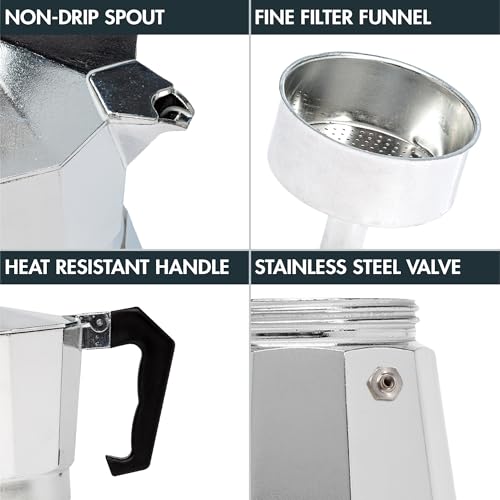
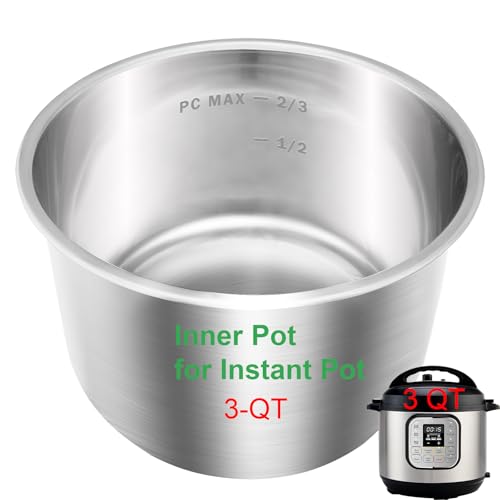
Buy the best construction you can afford up front, because a fully-clad stainless set or a good cast-iron piece amortizes over decades, while a bargain nonstick set is a recurring cost. This same buy-quality logic applies to related gear like a best moka pot or a best instant pot — the durable version is cheaper per year of use.
Frequently Asked Questions
How long do nonstick pans last?
Traditional PTFE (Teflon) nonstick pans last about 3 to 5 years with careful use, and sometimes as little as one to two years if exposed to high heat, metal utensils, abrasive scrubbers, or the dishwasher. The coating wears microscopically with every use until food starts sticking and the surface degrades. Ceramic nonstick often lasts even less, frequently one to three years, because its coating is thinner and loses release faster. Treat nonstick as a consumable you replace periodically rather than a lifetime pan.
How long does stainless steel cookware last?
Quality stainless steel cookware realistically lasts 15 to 20 years and often much longer, sometimes generations. Because it has no coating to wear off, the same durable alloy is the cooking surface throughout, so it tolerates high heat, metal utensils, scrubbing, and the dishwasher. It tends to accumulate cosmetic issues like discoloration and heat tint rather than truly wearing out, and those clean up with a product like Bar Keepers Friend. Real failure, such as warping or base delamination, is rare and usually the result of severe thermal shock.
How long does cast iron cookware last?
Effectively a lifetime, and often several lifetimes. Cast iron is a solid slab of iron with no coating to fail; its nonstick surface is a seasoning layer of polymerized oil that you can rebuild indefinitely. Even a badly rusted or neglected cast-iron pan can be stripped, re-seasoned, and restored to full function. Century-old cast-iron pans are still in everyday use, so a piece you buy now can realistically be passed down. Its only real enemy is prolonged moisture, and even that is fully reversible.
When should I replace my cookware?
Replace a pan when its condition, not just its age, tells you to. For nonstick, retire it once the coating chips, peels, or flakes into food, or when the base metal shows through. For any pan, replace it if it is warped so it no longer sits flat, has loose handles you cannot tighten, or is rusted and pitted beyond restoration. Bare stainless, cast iron, and carbon steel rarely need replacing at all; they clean, re-season, or polish back to service. Judge by the surface and structure, not the calendar.
Why don’t nonstick pans last very long?
Because their nonstick property comes from a soft coating bonded to the pan, and coatings wear. Every use gradually abrades the PTFE or ceramic layer, and high heat, metal utensils, abrasive cleaning, and dishwasher detergent accelerate the breakdown until food sticks and the surface fails. Unlike stainless or cast iron, where the cooking surface is the durable material itself, a nonstick pan’s working surface is a thin sacrificial layer. That is inherent to the technology, which is why even careful owners replace nonstick every few years.
Is it worth buying an expensive cookware set?
It depends on the material. For stainless steel, cast iron, carbon steel, and copper, spending more on solid construction pays off because these pieces last decades and amortize to very little per year. For nonstick, expensive sets still wear out in a few years, so paying a large premium buys less lasting value, though better coatings do last somewhat longer. The smart approach is to invest in durable stainless and cast-iron core pieces and treat nonstick as a moderately priced consumable you will replace on schedule.
The Bottom Line
How long a cookware set lasts is really a question about material. Nonstick is a consumable at 3-5 years (ceramic often less); hard-anodized aluminum runs 5-10 years; stainless steel is a 15-to-20-year-plus workhorse; and cast iron, carbon steel, and copper are decades-to-lifetime tools you maintain rather than replace. Care multiplies all of these: right heat, right utensils, no thermal shock, hand-washing the vulnerable materials, and drying and oiling bare iron. The practical strategy is to invest in durable stainless and cast-iron core pieces that last a lifetime and budget for periodic nonstick replacement. Retire any pan that chips into food, warps, or corrodes past restoration. For picks, see our best cookware sets, best nonstick cookware, and best copper cookware guides.

Astercook
Everyday Family Cooking: Astercook 19-Piece Black Titanium Nonstick Cookware Set
The Astercook 19-piece cookware set handles frying, sautéing, simmering, and boiling, with a titanium nonstick coating as its biggest advantage for easier food release and cleanup. It suits families and first-kitchen buyers who want induction-compatible cookware, multiple pan sizes, lids, utensils, and protective accessories in one set.
Pros and Cons
Pros
- The included 8-inch and 9.5-inch frying pans provide practical options for small portions and larger meals.
- The coating is listed as free from PTFE, PFOA, and PFOS for buyers prioritizing those specifications.
- Shatter-resistant glass lids allow visual cooking checks without repeatedly releasing heat.
- A 12-month warranty provides support for qualifying quality issues.
Cons
- The 19-piece count includes pan protectors, a silicone mat, and utensils, so it does not represent 19 cookware vessels.
- The product data does not specify total weight, oven-safe temperature, or dishwasher compatibility.

Redchef
Space-Saving Ceramic Cookware for RV Kitchens: Redchef Detachable Handle 5-Piece Set
The Redchef ceramic cookware set handles everyday stovetop, oven, grill, and fridge tasks while its detachable handle and stackable design save cabinet space. It suits small kitchens, RVs, and campers that need versatile cookware with PFAS, PFOA, and PTFE-free ceramic coating.
Pros and Cons
Pros
- The ceramic coating avoids Teflon, PFAS, PTFE, PFOA, lead, and cadmium.
- The detachable handle and stackable design are useful when cabinet or RV storage is limited.
- The set is compatible with gas, electric, and induction stovetops.
- The included glass lid has a visible silicone rim for covered cooking.
Cons
- Only one detachable handle is included, so switching between pans may require moving it during meal preparation.
- The set includes just one saucepan, two frying pans, and one lid, which may not cover larger meal-preparation needs.
The Best Deals This Week*
-
Martha Stewart Lockton 14 Piece Premium Non-Stick
$134.99
($189.99)Save $55.00 -
Everyday Family Cooking: Astercook 19-Piece Black
$79.99
($129.99)Save $50.00 -
Space-Saving Ceramic Cookware for RV Kitchens
$39.99
($59.99)Save $20.00
*Deals are selected by our commerce team
Anymark 16PCS Pots and Pans Set Non Stick Cookware (black, 16pieces)

Editors' Favorite
Color: Black Size: 16pieces Product Group: Kitchen
Shop NowUmite Chef Pots and Pans Set Nonstick, Umite Chef Kitchen Non Stick Induction Cookware & Bakeware Set - 31 PCS Cooking Pans Set with Frying Pans & Utensil, Sturdy & Easy to Clean & PFOA Free (Navy Blue)

Umite Chef
Pots and Pans Set Nonstick, Umite Chef Kitchen Non Stick Induction Cookware & Bakeware Set - 31 PCS Cooking Pans Set with Frying Pans & Utensil, Sturdy & Easy to Clean & PFOA Free (Navy Blue)
$149.99 at AmazonGreat Value
Color: Navy Blue Size: Extra Large Product Group: Kitchen Binding: Kitchen
Shop NowMartha Stewart Lockton 14 Piece Premium Non-Stick Heavy-Gauge Aluminum Cookware Combo Set (Pots, Pans, and Tools) - Black w/Gold Handles

Martha Stewart
Lockton 14 Piece Premium Non-Stick Heavy-Gauge Aluminum Cookware Combo Set (Pots, Pans, and Tools) - Black w/Gold Handles
$134.99 at AmazonColor: Black w/ Gold Handles (Ceramic Nonstick Cookware) Size: 14-Piece Cookware Set Dimensions: 15 x 9 x 8.75 Inches Weight: 20.28032348138 Pounds Product Group: Kitchen Binding: Kitchen
Shop NowAstercook Everyday Family Cooking: Astercook 19-Piece Black Titanium Nonstick Cookware Set
Astercook
Everyday Family Cooking: Astercook 19-Piece Black Titanium Nonstick Cookware Set
The Astercook 19-piece cookware set handles frying, sautéing, simmering, and boiling, with a titanium nonstick coating as its biggest advantage for easier food release and cleanup. It suits families and first-kitchen buyers who want induction-compatible cookware, multiple pan sizes, lids, utensils, and protective accessories in one set.
$79.99 at AmazonColor: Black Size: 19 Pcs Kitchen Cookware Sets Product Group: Kitchen Binding: Kitchen
Shop NowRedchef Space-Saving Ceramic Cookware for RV Kitchens: Redchef Detachable Handle 5-Piece Set
Redchef
Space-Saving Ceramic Cookware for RV Kitchens: Redchef Detachable Handle 5-Piece Set
The Redchef ceramic cookware set handles everyday stovetop, oven, grill, and fridge tasks while its detachable handle and stackable design save cabinet space. It suits small kitchens, RVs, and campers that need versatile cookware with PFAS, PFOA, and PTFE-free ceramic coating.
$39.99 at AmazonColor: Beige White Size: Beige White Dimensions: 13.58 x 13 x 15 Inches Weight: 5.84004532038 pounds Product Group: Kitchen Binding: Kitchen
Shop Now



Write Your Review
No reviews yet. Be the first to share your experience!