

TL;DR — Hand-wash knives immediately after use with warm soapy water, dry them right away, never put them in the dishwasher, hone regularly, sharpen occasionally, cut only on wood or soft plastic, and store them so edges don’t touch other metal. These habits keep knives sharp, safe, and lasting for decades. The HomeWhisk team compiled this from care guidance and aggregated feedback. Good knife care is mostly about washing, drying, and storage — the unglamorous basics. For picks, see our best chef knife guide.
The HomeWhisk editorial team researches kitchen equipment by analyzing manufacturer specifications, care guidance, and aggregated user reviews from major retailers and cooking communities. This guide reflects established knife-care principles, not personal testing.

Good knives are an investment, and proper care keeps them sharp, safe, and lasting for years — even decades. The habits are simple but easy to get wrong. Here’s how to clean and maintain your kitchen knives properly. For choosing knives, see our best chef knife guide.
Sophisti-clean
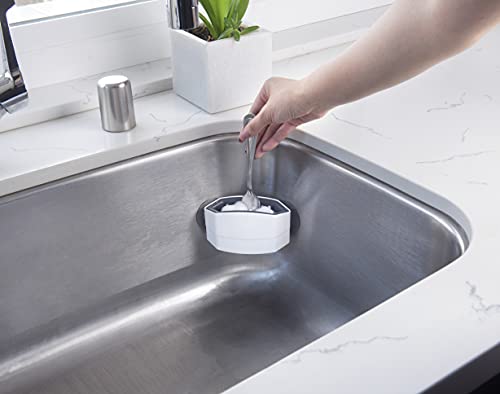
Suctioned Sink Cutlery Cleaner Brush for Utensils and Sharp Knives by Sophisti-Clean
The Sophisti-Clean Cutlery Cleaner Brush scrubs utensils and sharp knives with non-scratch bristles, while suction cups keep it steady inside the sink. It suits households wanting safer knife cleanup and an engaging dishwashing tool for children.
Pros and Cons
Pros
- Strong suction cups help the brush stay in place during vigorous cleaning.
- Non-scratch bristles are suitable for utensils and sharp knives.
- Compact dimensions make drawer storage convenient.
- The double-sided design supports scrubbing from both sides of a knife.
Cons
- It must be attached inside a sink basin, so it is less useful away from the sink.
- The package contains only one cutlery cleaner brush.

Dalstrong
Rust Remover for Kitchen Knives and Whetstones: Dalstrong Rust Eraser Maintenance Block
This abrasive eraser block lifts surface rust, staining, and oxidation off knife blades in about sixty seconds of wet circular motion without scratching the steel. Buy it if you own carbon or Japanese steel knives that spot easily, or whetstones that have glazed over and stopped cutting.
Pros and Cons
Pros
- Fast enough at under a minute per spot that maintenance actually gets done instead of postponed.
- Doubles as both a blade tool and a whetstone resurfacer, replacing two separate maintenance items.
- Fine abrasive lifts oxidation without scratching the blade face on softer Japanese steels.
- Backed by Dalstrong customer support and priced as a low-commitment add-on.
Cons
- Handles surface rust and staining only, so deep pitting or corrosion that has eaten into the steel needs professional restoration.
- It is a consumable that wears down with use, so heavy knife collections will need replacements over time.

Joseph Joseph
Wash Knife Blades Without Touching the Edge: Joseph Joseph BladeBrush Knife & Cutlery Cleaner
The BladeBrush wraps around a knife blade so opposed bristles scrub both sides in one pull, keeping your fingers off the cutting edge during cleanup. It suits home cooks who hand wash sharp chef's knives and want a safer alternative to scrubbing with a sponge or dishcloth.
Pros and Cons
Pros
- Two-sided cleaning action removes the need to flip the knife mid-wash.
- Finger protection is built into the design rather than depending on careful technique.
- Works across knives, forks, and spoons instead of one tool per job.
- Compact and light enough to hang or drop in a sink caddy without taking up counter space.
Cons
- Hand wash only, so it cannot be sanitised on a dishwasher cycle with the rest of your utensils.
- Dried-on or baked-on food usually needs a soak first, since the soft bristles rely on scrubbing motion rather than abrasion.

LemonRoad
Carbon Steel Kitchen Knife Rust Removal and Oiling Kit: LemonRoad 108 Pcs Blade Maintenance Set with Erasers, Oil, Cloths and Gloves
This 108-piece kit strips rust from carbon steel kitchen knives with two abrasive erasers, then seals the bare metal using 50ml bottles of low-odor maintenance oil applied with lint-free microfiber cloths. Buy it if you own carbon steel chef knives, nakiri, or petty blades that spot and patina between uses and you want the erasers, oil, swabs, and gloves in one purchase instead of sourced separately.
Pros and Cons
Pros
- Consumables are doubled up throughout, with two erasers, two oil bottles, two cloths, and two glove pairs in a single kit.
- The oil is listed as low odor, which matters when treating knives on a kitchen counter near food prep.
- One kit covers kitchen knives, pocket knives, garden shears, chisels, and planes, so the oil does not sit unused.
- Rust erasers are sized for handheld blade work rather than bulky flat surfaces.
Cons
- Abrasive rust erasers will dull a mirror polish and can leave scratch marks on finished kitchen knives, so they suit working carbon steel rather than display pieces.
- The kit does nothing for edge geometry, so a dull knife still needs a separate whetstone or sharpener.
The Best Deals This Week*
-
Suctioned Sink Cutlery Cleaner Brush for Utensils
$9.98
($10.99)Save $1.01 -
Wash Knife Blades Without Touching the Edge
$8.99
($11)Save $2.01
*Deals are selected by our commerce team
Sophisti-clean Suctioned Sink Cutlery Cleaner Brush for Utensils and Sharp Knives by Sophisti-Clean
Sophisti-clean
Suctioned Sink Cutlery Cleaner Brush for Utensils and Sharp Knives by Sophisti-Clean
The Sophisti-Clean Cutlery Cleaner Brush scrubs utensils and sharp knives with non-scratch bristles, while suction cups keep it steady inside the sink. It suits households wanting safer knife cleanup and an engaging dishwashing tool for children.
$9.98 at AmazonEditors' Favorite
Color: White Size: 1 Pack Dimensions: 5.749999994135 x 5.749999994135 x 2.1699999977866 Inches Product Group: Home Binding: Kitchen
Shop NowDalstrong Rust Remover for Kitchen Knives and Whetstones: Dalstrong Rust Eraser Maintenance Block
Dalstrong
Rust Remover for Kitchen Knives and Whetstones: Dalstrong Rust Eraser Maintenance Block
This abrasive eraser block lifts surface rust, staining, and oxidation off knife blades in about sixty seconds of wet circular motion without scratching the steel. Buy it if you own carbon or Japanese steel knives that spot easily, or whetstones that have glazed over and stopped cutting.
$19.00 at AmazonGreat Value
Color: Calcium Carbonate, brown, rust Dimensions: 20.49999997909 x 7.67322833863 x 6.299212592 Inches Weight: 0.03125 pounds Product Group: Kitchen Binding: Kitchen
Shop NowJoseph Joseph Wash Knife Blades Without Touching the Edge: Joseph Joseph BladeBrush Knife & Cutlery Cleaner
Joseph Joseph
Wash Knife Blades Without Touching the Edge: Joseph Joseph BladeBrush Knife & Cutlery Cleaner
The BladeBrush wraps around a knife blade so opposed bristles scrub both sides in one pull, keeping your fingers off the cutting edge during cleanup. It suits home cooks who hand wash sharp chef's knives and want a safer alternative to scrubbing with a sponge or dishcloth.
$8.99 at AmazonColor: Green Size: One Size Dimensions: 3.15 x 3 x 2.05 inches Weight: 0.21605301676 pounds Product Group: Home Binding: Kitchen
Shop NowLemonRoad Carbon Steel Kitchen Knife Rust Removal and Oiling Kit: LemonRoad 108 Pcs Blade Maintenance Set with Erasers, Oil, Cloths and Gloves
LemonRoad
Carbon Steel Kitchen Knife Rust Removal and Oiling Kit: LemonRoad 108 Pcs Blade Maintenance Set with Erasers, Oil, Cloths and Gloves
This 108-piece kit strips rust from carbon steel kitchen knives with two abrasive erasers, then seals the bare metal using 50ml bottles of low-odor maintenance oil applied with lint-free microfiber cloths. Buy it if you own carbon steel chef knives, nakiri, or petty blades that spot and patina between uses and you want the erasers, oil, swabs, and gloves in one purchase instead of sourced separately.
$15.99 at AmazonDimensions: 5.91 x 3.15 x 0.63 inches Product Group: Kitchen Binding: Sports
Shop NowCleaning: The Right Way
How you wash a knife affects its edge, its finish, and your safety. Here are the rules.
Hand-wash, never the dishwasher. This is the most important cleaning rule. The dishwasher damages knives multiple ways: the harsh detergent and heat corrode and dull the blade, knives knock against other items (chipping edges), and the moisture and heat can damage handles (especially wood). Always hand-wash knives — it takes seconds and protects your investment.
Wash immediately after use with warm water, mild dish soap, and a sponge or cloth. Don’t let food (especially acidic, salty, or sticky residue) sit on the blade, which can stain or corrode it, particularly on carbon steel.
Wash safely: wipe the blade from spine to edge (never run your fingers along the sharp edge), holding the handle. Clean one knife at a time — never leave knives submerged in a sink of soapy water where you (or someone else) can’t see them and could reach in and get cut. This is a real safety issue.
Dry immediately and thoroughly with a towel, wiping spine-to-edge. Don’t air-dry or leave knives wet — standing water causes spotting, and over time corrosion and rust, even on stainless steel (which is stain-resistant, not stain-proof). Carbon steel especially must be dried at once.
For stuck-on residue, soak the blade briefly in warm water (don’t leave it long), then wipe. Avoid abrasive scrubbers on polished blades.
Hand-wash, wash promptly and safely, dry immediately — these basics prevent most knife damage. Our best chef knife guide covers knives worth caring for this way.
Keeping the Edge: Honing and Sharpening
A knife’s whole purpose is its edge, and two distinct practices keep it sharp. Confusing them is the most common maintenance mistake.
Honing (frequent) realigns the edge. As you cut, the thin edge folds and rolls slightly, making the knife feel dull though the metal is still sharp. Honing with a steel straightens it back — it removes no metal and takes seconds. Hone every use or two. This is the everyday step that keeps a knife feeling sharp. See our honing guide for technique.
Sharpening (occasional) grinds a new edge. When honing no longer restores sharpness, the metal is genuinely worn and needs sharpening on a whetstone or sharpener to form a fresh edge. Because it removes metal, do this only occasionally — every few months to once a year for home use. See our sharpening-frequency and whetstone guides, and our best knife sharpener guide for tools.
The rule: hone often, sharpen rarely. Most people who think their knife needs constant sharpening actually need honing.
Why it matters for safety: a sharp knife is safer than a dull one — it cuts predictably with less force, so it’s less likely to slip. Keeping knives sharp isn’t just about performance; it prevents accidents. A dull knife is the dangerous one.
Test sharpness with the paper test (slice a sheet — clean cut = sharp) or tomato test (bites the skin easily = sharp). If it snags or slips after honing, it’s time to sharpen.
Cutting Surfaces and Storage
Two habits outside of cleaning have huge effects on how long a knife stays sharp: what you cut on and how you store it.
Cut only on wood or soft plastic — never glass, stone, marble, or ceramic. Hard surfaces destroy knife edges on contact, dulling and chipping them with every cut. A cutting board should be softer than the knife. Wood (especially end-grain) is gentlest; quality plastic is fine. A glass board undoes your sharpening in days. This single habit hugely affects edge life. See our cutting-board guides.
Also avoid cutting on countertops, metal, or plates, and don’t use a fine kitchen knife on bones or frozen food (that chips the edge — use the right tool).
Store knives so edges don’t touch other metal or knock around. Loose in a drawer is the worst option — blades bang against other utensils and the drawer, dulling and chipping edges, and it’s a cut hazard when you reach in. Instead use:
- A knife block (edges protected in slots),
- A magnetic strip (blades held clear, place spine-first),
- An in-drawer knife tray (each blade separated),
- Or edge guards (sheaths) if you must keep knives in a drawer.
See our knife-storage and best knife block set guides. Proper storage protects both the edges and your fingers.
Keep knives dry in storage — store only fully dried knives, and ensure block slots stay dry (insert knives dry to prevent mold).
Right cutting surface, right storage — these protect the edge as much as sharpening does. Together with proper cleaning, they’re the core of knife care.
Frequently Asked Questions
Can I put my kitchen knives in the dishwasher?
No — never put good kitchen knives in the dishwasher. The harsh detergent and heat corrode and dull the blade, knives knock against other items and chip their edges, and moisture and heat damage handles (especially wood). This is the single most damaging thing you can do to a knife, and it’s completely avoidable. Always hand-wash knives with warm soapy water and dry them immediately. It takes only seconds and dramatically extends the life and sharpness of your knives.
How do I clean a kitchen knife properly?
Hand-wash it immediately after use with warm water, mild dish soap, and a sponge, wiping the blade from spine to edge (never along the sharp edge) while holding the handle. Wash one knife at a time — never leave knives hidden in a sink of soapy water, which is a cut hazard. Then dry it thoroughly right away with a towel, since standing water causes spotting and eventual corrosion, even on stainless steel. Don’t let food residue sit on the blade or use the dishwasher.
What’s the difference between honing and sharpening?
Honing realigns the edge, which folds and rolls slightly during use — it makes a knife feel sharp again, removes no metal, and should be done frequently (every use or two) with a honing steel. Sharpening grinds away metal to create a new edge when the blade is genuinely worn, and is done occasionally (every few months to a year) on a whetstone or sharpener. Hone often, sharpen rarely. Most people who think they need to sharpen constantly actually just need to hone. See our honing guide.
What should I cut on to protect my knives?
Only wood or soft plastic cutting boards — never glass, stone, marble, or ceramic, which are harder than the blade and dull and chip the edge with every cut. A cutting board should be softer than the knife so it gives slightly and cushions the edge. Wood (especially end-grain) is gentlest; quality plastic is fine. Also avoid cutting on countertops, plates, or metal, and don’t cut bones or frozen food with a fine knife. The right surface hugely extends edge life.
How should I store kitchen knives?
Store them so edges don’t touch other metal or knock around: a knife block, a magnetic strip (place blades spine-first), an in-drawer knife tray, or edge guards if you keep them in a drawer. Never toss knives loose in a drawer — they bang against other utensils, dulling and chipping edges, and it’s a cut hazard when you reach in. Store only fully dry knives to prevent corrosion and mold. Proper storage protects both the edges and your fingers. See our knife-storage guide.
Why is a sharp knife safer than a dull one?
Because a sharp knife cuts predictably with less force — it bites where you place it and glides through food. A dull knife requires more pressure and is prone to slipping off food, and that combination of extra force and unpredictable slipping causes accidents. So keeping knives sharp (through regular honing and occasional sharpening) isn’t just about performance — it’s a genuine safety measure. Counterintuitively, the dull knife in the drawer is the dangerous one, not the sharp one.
Related buying guides: best knife sets and best bread knife.
The Bottom Line
Kitchen knife care comes down to simple habits done consistently: hand-wash immediately with warm soapy water and dry at once (never the dishwasher), hone regularly to keep the edge aligned and sharpen occasionally when honing no longer helps, cut only on wood or soft plastic (never glass or stone), and store knives so edges don’t touch other metal — a block, magnetic strip, in-drawer tray, or edge guards. These unglamorous basics keep knives sharp, safe, and lasting for decades, and remember a sharp knife is the safe one. See our best chef knife, best knife block set, and best knife sharpener guides for gear worth maintaining.




Write Your Review
No reviews yet. Be the first to share your experience!