

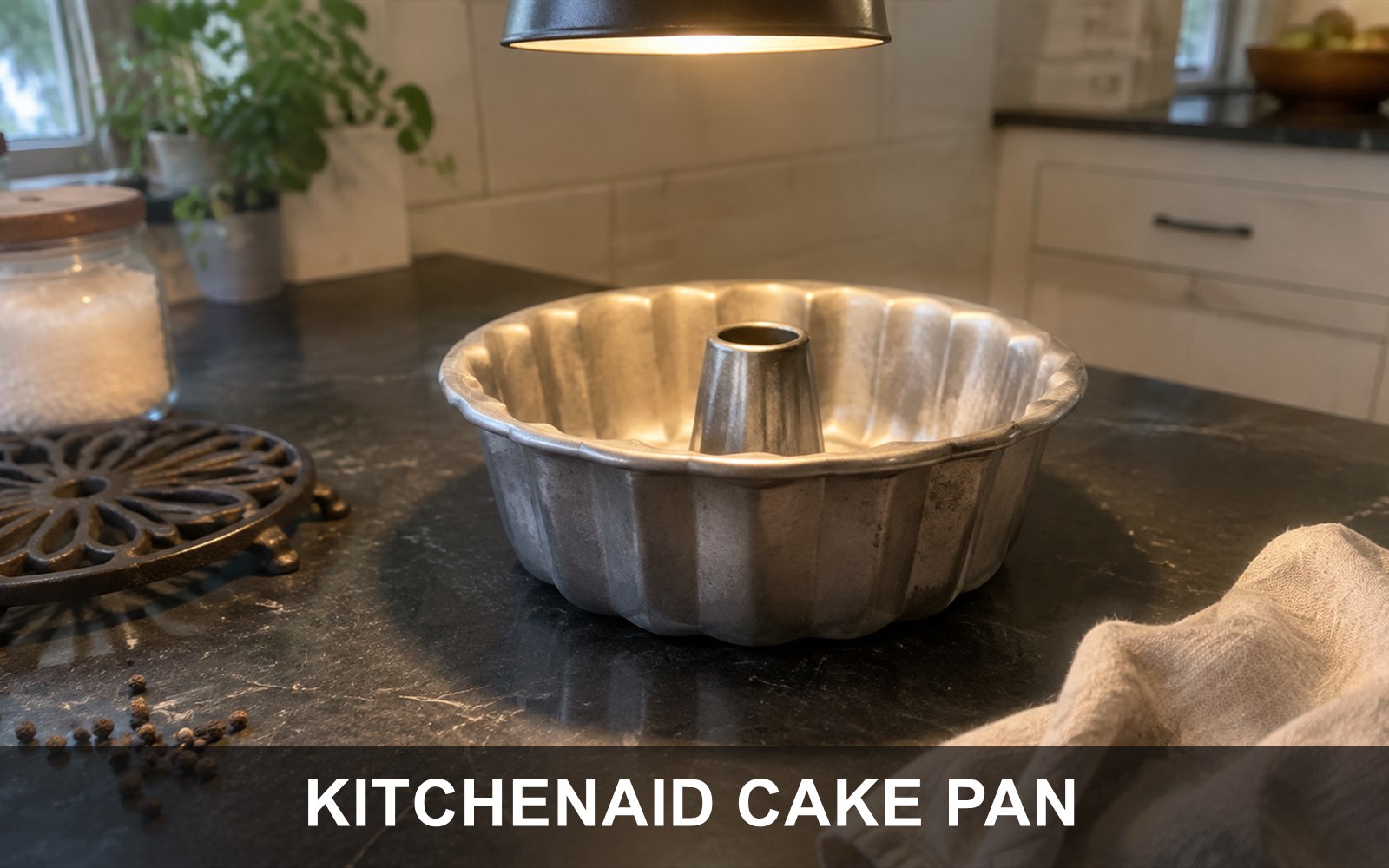
Walk into any kitchenware store and you’ll see cake pans ranging from $8 aluminum discs to $40 professional-grade anodized pieces. The gap isn’t just marketing. Material science, heat distribution, and coating durability create real performance differences that show up in browning patterns, release consistency, and how many cakes a pan survives before warping or flaking.
KitchenAid positions itself in the middle of that spectrum. Their cake pans typically cost $18-$28, using aluminized steel or nonstick-coated aluminum that aims for better heat conduction than bare budget pans while staying below the price floor of professional French steel or heavy-gauge anodized aluminum. Understanding what each price tier actually delivers—and where diminishing returns kick in—helps you match pan choice to how often you bake and what results matter most.
Budget Aluminum: Where the Tradeoffs Hide
Basic aluminum cake pans under $12 dominate discount retailers for good reason: aluminum conducts heat quickly and costs little to stamp into shape. But thin-gauge aluminum also responds too fast to oven hot spots, creating dark edges while centers stay pale. After a dozen uses, cheaper aluminum pans often develop visible warping—that slight dome or tilt that causes batter to pool unevenly and cakes to bake lopsided.
The other weak point is surface durability. Bare aluminum oxidizes and pits over time, especially if you wash it in the dishwasher or use acidic ingredients like lemon. Some budget pans add a basic nonstick coating, but the thinnest PTFE layers scratch easily with metal utensils or abrasive sponges. Once that coating chips, you’re stuck with an uneven release surface that grabs cake in random spots.
Budget aluminum works fine for occasional bakers who don’t mind adjusting oven temperature by 25°F and rotating pans halfway through. If you bake monthly rather than weekly, and you’re willing to grease pans thoroughly even when labeled “nonstick,” an $8 round pan will turn out serviceable birthday cakes. Just know you’re trading convenience and longevity for upfront savings.
Mid-Range Coated Steel: The Sweet Spot for Most Home Bakers
KitchenAid and similar brands occupy this $18-$30 range by using thicker aluminum or aluminized steel paired with better nonstick coatings. The extra gauge—often 1.0mm instead of 0.6mm—resists warping through repeated heating cycles and distributes heat more evenly across the pan floor. Cakes brown predictably, edges and centers finish closer to the same time, and the pan stays flat on your cooling rack instead of rocking.
Coating quality jumps noticeably in this tier. Multi-layer PTFE or ceramic-reinforced nonstick holds up to regular metal spatula contact and survives a few accidental dishwasher runs without flaking. Release becomes genuinely reliable—most cakes drop cleanly with just a quick spray of baking spray and a ten-second cooling period. That consistency matters more than occasional bakers realize; professional bakers value predictable release because it eliminates the guesswork and last-minute repairs that come with stuck corners or torn layers.
This tier also brings better rim design. Rolled or reinforced edges stay rigid when you grip the pan with oven mitts, reducing the flexing that can crack delicate cakes during transfer. Some mid-range pans add silicone or rubberized grip zones on handles, which sounds minor until you’re pulling a hot 9×13 sheet out of a crowded oven.
The practical ceiling for most home bakers sits right here. If you bake weekly and care about consistent results—even layers that stack neatly, clean release without excessive greasing, pans that don’t warp after a year—spending $20-$28 covers those needs without paying for features you won’t use. Professional-tier upgrades offer measurable benefits, but they matter most to people baking multiple cakes per week or running small catering operations from home.
Premium Anodized and Professional Steel: Paying for Longevity
Once you cross $35, you’re paying for materials that last years instead of seasons. Hard-anodized aluminum pans—like those from Nordic Ware’s commercial line or USA Pan—undergo an electrochemical process that hardens the surface and makes it nearly scratch-proof. The anodized layer also improves heat distribution, reducing hot spots that cause uneven browning. These pans typically weigh twice as much as budget aluminum, which both stabilizes them in the oven and signals the thicker gauge underneath.
Professional aluminized steel pans, often used in commercial bakeries, skip nonstick coatings entirely. Instead, they rely on proper greasing and the natural release properties of smooth, heavy-gauge steel. Bakers who go this route accept the extra prep step—butter and flour, or parchment rounds—in exchange for a pan that won’t ever flake or degrade. These pans can survive decades of daily use, which justifies the $40-$60 cost if you’re baking at high volume.
The performance gap between mid-range and premium shows up most clearly in heat retention and warp resistance. Thick anodized pans hold temperature steadier when you open the oven door, which helps delicate cakes like chiffon or genoise maintain their rise. They also handle thermal shock better—moving a hot pan to a cool counter won’t cause the base to flex and crack your cake.
But here’s the honest assessment: unless you’re baking three or more times per week, or you’re running a side business that requires bulletproof equipment, the extra $20-$40 buys you durability you might not fully use. A $25 KitchenAid pan will serve a typical home baker for five years of regular use. A $50 anodized pan will last twenty years—but if you’re only baking a few dozen cakes in that span, you’re paying for longevity beyond your actual wear pattern.
Matching Pan Choice to Your Baking Frequency
The right tier depends less on budget and more on how often you bake and what bothers you most in the kitchen. Occasional bakers—birthday cakes and holiday desserts, maybe eight cakes per year—can stick with budget aluminum and simply accept the quirks: extra greasing, careful monitoring for hot spots, earlier replacement. The $10 you save per pan means little if you end up fighting stuck corners every time, but if you’re patient and detail-oriented, it’s a defensible choice.
Weekly bakers get the most value from mid-range pans. The consistency and ease of release pay back the $20 investment within a few months, and the better construction keeps the pan flat and functional through years of regular use. This is where KitchenAid and similar brands make sense: frequent enough use to justify the better materials, but not so intense that you need commercial-grade durability.
High-volume bakers—anyone baking three or more cakes per week, whether for a blog, a small business, or just an enthusiastic household—should consider premium anodized or professional steel. The upfront cost stings, but these pans eliminate the replacement cycle entirely. You’ll also appreciate the superior heat distribution when you’re baking back-to-back layers or working with finicky recipes that punish uneven heating.
One final consideration: specialty shapes. If you need a Bundt pan, tube pan, or springform, budget options often fail spectacularly because those shapes amplify the weaknesses of thin material—warping in a tube pan causes the center cone to tilt, and cheap springform latches leak batter. For specialty shapes, it’s worth jumping straight to the mid-range tier even if you only use them occasionally. A warped round pan is annoying; a leaking springform ruins the cake entirely.
Does KitchenAid make professional-grade cake pans?
KitchenAid focuses on the mid-range home baker market and doesn’t produce heavy-gauge anodized or commercial aluminized steel pans in the same tier as Nordic Ware Professional or USA Pan. Their lineup centers on nonstick-coated aluminum and aluminized steel that balances performance with accessibility, typically priced $18-$28 for standard round and rectangular shapes.
How long should a nonstick cake pan last with regular use?
Mid-range nonstick pans like KitchenAid’s should deliver three to five years of reliable release if you hand-wash them and avoid metal utensils on the surface. Budget nonstick coatings often start flaking within 18-24 months of weekly use, while premium multi-layer PTFE or reinforced ceramic coatings can last seven years or more before showing significant wear.
Is thicker gauge aluminum always better for cake pans?
Thicker gauge improves warp resistance and heat distribution but also increases heat retention, which can over-brown delicate cakes if you don’t adjust oven temperature. For most layer cakes and sheet cakes, 1.0mm gauge offers the best balance—sturdy enough to stay flat, but not so heavy that you need to reduce oven temp by 25°F to prevent dark crusts.

CAKETIME
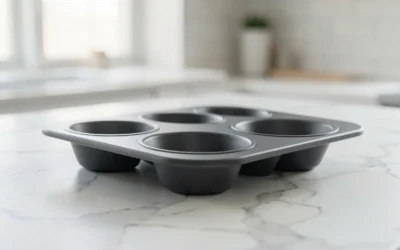
Bake Muffins and Cupcakes Easily with the CAKETIME 12-Cup Silicone Muffin Pan
The CAKETIME silicone muffin pan makes 12 regular-size muffins or cupcakes with a flexible nonstick surface for easier release and cleanup. It suits home bakers who need an affordable, multi-use pan that works in ovens, microwaves, dishwashers, refrigerators, and freezers.
Pros and Cons
Pros
- The silicone construction supports easy release without requiring a rigid metal pan.
- Its 12 regular-size cups handle common muffin and cupcake recipes.
- Oven, microwave, dishwasher, refrigerator, and freezer compatibility adds everyday versatility.
- The 2.75-inch cup diameter and 1.1-inch depth provide a familiar baking size.
Cons
- The flexible silicone requires placement on a metal tray or cookie sheet before filling.
- The relatively shallow 1.1-inch cups may not suit recipes designed for deeper muffins.

GoodCook
Cake, Brownie & Cornbread Baking: GoodCook 13 x 9 Nonstick Steel Pans with Covers
This two-pan set bakes cakes, brownies, cornbread, biscuits, and side dishes with even heat distribution and mess-free nonstick release. It suits home bakers who want reusable 13 x 9 pans with clear covers for keeping baked goods fresher after baking.
Pros and Cons
Pros
- The set includes two 13 x 9 inch steel cake pans for batch baking and varied recipes.
- Nonstick coating supports easier release and dishwasher-safe cleanup.
- Included clear covers make it easier to store or transport baked goods after cooling.
- Heavy-duty steel construction is designed to resist warping during regular baking.
Cons
- The product data does not specify the pan weight, which may matter to buyers who prefer lighter bakeware.
- The product data does not confirm whether the clear covers are oven-safe.
Cuisinart Chef's Classic Nonstick Bakeware 9-1/2-Inch Fluted Cake Pan,Silver

CAKETIME Bake Muffins and Cupcakes Easily with the CAKETIME 12-Cup Silicone Muffin Pan
CAKETIME
Bake Muffins and Cupcakes Easily with the CAKETIME 12-Cup Silicone Muffin Pan
The CAKETIME silicone muffin pan makes 12 regular-size muffins or cupcakes with a flexible nonstick surface for easier release and cleanup. It suits home bakers who need an affordable, multi-use pan that works in ovens, microwaves, dishwashers, refrigerators, and freezers.
Check price on AmazonThis 12-cup silicone pan helps home bakers prepare regular-size muffins and cupcakes without managing separate molds.
Its flexible nonstick surface supports easier release, while dishwasher compatibility reduces cleanup after baking.
Food-grade silicone weighs 7.7 ounces, with 2.75-inch cup openings and 1.1-inch cup depth for standard portions.
Because the pan is flexible, place it on a metal tray or cookie sheet before filling.
Best for home bakers wanting a lightweight, multi-use pan for standard-size treats.
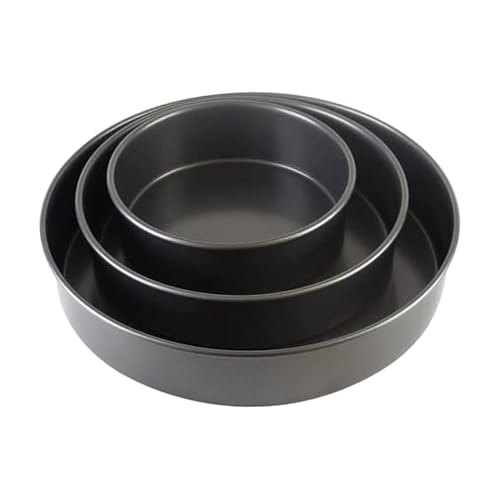
Chicago Metallic Professional Nonstick Round Cake Pan Set, 3-Piece Bakeware Set with 6 Inch, 8 Inch, and 10 Inch Pans, Heavy-Weight Aluminized Steel for Even Baking
Chicago Metallic
Professional Nonstick Round Cake Pan Set, 3-Piece Bakeware Set with 6 Inch, 8 Inch, and 10 Inch Pans, Heavy-Weight Aluminized Steel for Even Baking
Check price on AmazonGoodCook Cake, Brownie & Cornbread Baking: GoodCook 13 x 9 Nonstick Steel Pans with Covers
GoodCook
Cake, Brownie & Cornbread Baking: GoodCook 13 x 9 Nonstick Steel Pans with Covers
This two-pan set bakes cakes, brownies, cornbread, biscuits, and side dishes with even heat distribution and mess-free nonstick release. It suits home bakers who want reusable 13 x 9 pans with clear covers for keeping baked goods fresher after baking.
Check price on AmazonThis set provides two 13 x 9 inch pans for cakes, brownies, cornbread, biscuits, and side dishes, helping home bakers handle multiple recipes or batches.
Even heat distribution supports thorough baking, while the scratch-resistant nonstick coating helps baked goods release with less mess.
Heavy-duty steel resists warping, and the dishwasher-safe construction simplifies cleanup. The set includes two clear lids for covering finished baked goods.
Pan weight and clear-lid oven safety are not specified, so buyers should verify those details before use.
Best for home bakers who want two durable nonstick pans with storage covers.


Write Your Review
No reviews yet. Be the first to share your experience!