

Deep fryer vs sous vide comes down to the result you want: a deep fryer gives you a crisp, golden crust in minutes, while sous vide gives you edge-to-edge doneness over an hour or more. They aren’t really rivals. One is built for texture on the outside, the other for precision on the inside.
This guide explains how each method works, what each does best, where each falls short, and how to decide which one deserves counter space in your kitchen. We’ve also pulled in three products from our database that fit the comparison.
The short answer: crust or control?
A deep fryer heats a pot of oil to a set temperature, usually somewhere around 350 to 375 degrees Fahrenheit for most foods. Food goes in, moisture on the surface flashes off, and you get a crisp shell. It’s fast. Chicken wings, fries, donuts and fish fillets are done in minutes.
Sous vide works the opposite way. You seal food in a bag, lower it into a water bath held at one exact temperature, and let it cook gently until the center reaches that temperature and stays there. You can’t overcook a steak that’s held at your target. But the surface comes out pale and soft, so most cooks finish with a hot pan, a torch or, yes, a quick fry.
If you only want one tool and you love crunchy food, the fryer is the simpler pick. If you cook expensive cuts, eggs, or fish and hate guessing, sous vide pays off. If you cook a lot of both, the two methods actually work well together.
How a deep fryer works
An electric deep fryer is a heated oil reservoir with a thermostat. You fill it to the marked line, set the temperature, wait for the light to signal it’s ready, and lower a basket in. Because the oil temperature is controlled, you avoid the guesswork of a pot on the stove.
The Hamilton Beach model in our database is a good example of a classic home unit. Its listing describes a 4.5 liter (19 cup) oil capacity, two baskets, a lid, temperature control, a view window and 1800 watts of power in stainless steel. Two baskets means you can fry two different foods at once, or split a big batch so the oil doesn’t crash in temperature.

HamiltonBeach
Hamilton Beach 4.5L Deep Fryer with 2 Baskets, View Window & Temperature Control for Family Cooking
This 1800-watt deep fryer holds 19 cups of oil to cook 12 cups of food at once, with dual baskets that let you fry two different items simultaneously while the vented lid prevents splatter. Best for families who frequently deep fry and want commercial-style capacity without the mess of stovetop frying.
Pros and Cons
Pros
- The 1800-watt immersed heating element brings oil to temperature quickly and maintains consistent heat for even cooking.
- Chrome-plated basket hooks let you drain food over the pot before serving, reducing paper towel waste and keeping counters cleaner.
- Stainless steel exterior and professional-grade design hold up to frequent use better than plastic-bodied home fryers.
Cons
- The 19-cup oil capacity requires purchasing and storing a large quantity of frying oil between uses.
- The unit measures roughly 15 inches wide, taking up significant counter space that may not fit smaller kitchens.
HamiltonBeach Hamilton Beach 4.5L Deep Fryer with 2 Baskets, View Window & Temperature Control for Family Cooking
HamiltonBeach
Hamilton Beach 4.5L Deep Fryer with 2 Baskets, View Window & Temperature Control for Family Cooking
This 1800-watt deep fryer holds 19 cups of oil to cook 12 cups of food at once, with dual baskets that let you fry two different items simultaneously while the vented lid prevents splatter. Best for families who frequently deep fry and want commercial-style capacity without the mess of stovetop frying.
Check price on AmazonThis electric deep fryer solves the splatter and temperature control problems of stovetop frying by enclosing food in a lidded chamber with precise heat regulation.
The 1800-watt immersed heating element heats 19 cups of oil faster than most home fryers, while adjustable temperature settings from 265°F to 375°F handle everything from delicate doughnuts to high-heat chicken wings.
The stainless steel body resists fingerprints and kitchen grease buildup. The enamel-coated oil pot is dishwasher-safe. At approximately 15 x 13 x 11 inches, it requires dedicated counter or storage space.
The dual basket system limits you to frying only two different items per session, and the baskets must fit within the same temperature setting.
Best for families who deep fry weekly and want restaurant capacity with less cleanup than traditional methods.
What a fryer does best
Speed and crunch. Nothing else at home matches the shatter of a properly fried batter. Fryers also recover heat quickly between batches, which matters when you’re feeding a crowd. Game day wings, a fish fry or a tray of donuts all suit this method.
Where a fryer falls short
Oil is the main cost. You need a few quarts of it, you have to strain and store it, and eventually you have to throw it out. A fryer also gives off smell, and it takes up a lot of room. Fried food is richer in calories than food cooked in a water bath, and that’s just physics.
How sous vide works
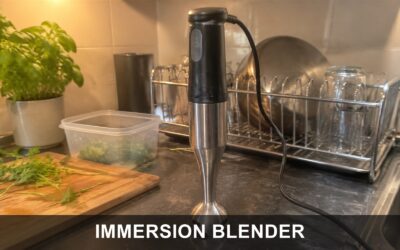
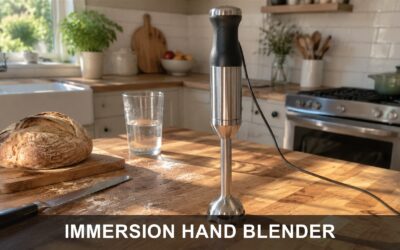
A sous vide machine, often called an immersion circulator, clips to the side of a pot, heats the water and keeps it moving so the temperature is even throughout. You bag your food, usually with a little seasoning, press out the air and submerge it. Then you wait.
Because the water never goes above your target, the food can’t climb past it either. A steak set to a medium-rare temperature will be medium-rare from edge to edge. That’s the whole appeal. Tough cuts like short rib or pork shoulder can sit for many hours and turn tender without drying out.
The Breville Joule Turbo in our database is a compact stick-style machine, listed as the BSV600PSS in polished stainless steel. The listing doesn’t give us a full spec sheet, so we won’t guess at wattage or app features. What we can say is that it’s from a well-known appliance brand and it’s rated 4.8 stars by buyers.

Breville Joule Turbo Sous Vide: Faster Precision Cooking with App Control and Voice Activation
The Breville Joule Turbo cuts sous vide cooking time in half using algorithm-driven Turbo Mode while maintaining precise temperature control through its app-based system. Home cooks who want restaurant-quality results without constant monitoring should consider this, especially if they value automated cooking and flexible meal timing.
Pros and Cons
Pros
- Turbo Mode significantly reduces cook times compared to standard sous vide, making weeknight sous vide meals more practical.
- App integration provides preset times and temperatures tested by Breville's kitchen team, removing the research step for common ingredients.
- Prime Time holding feature solves the timing problem of traditional sous vide, giving you a window instead of a single ready moment.
Cons
- Requires smartphone app for full functionality, so cooking depends on your device being charged and nearby.
- At $249.95, it sits at the premium end of consumer sous vide pricing compared to simpler immersion circulators.
Breville Joule Turbo Sous Vide: Faster Precision Cooking with App Control and Voice Activation
Breville Joule Turbo Sous Vide: Faster Precision Cooking with App Control and Voice Activation
The Breville Joule Turbo cuts sous vide cooking time in half using algorithm-driven Turbo Mode while maintaining precise temperature control through its app-based system. Home cooks who want restaurant-quality results without constant monitoring should consider this, especially if they value automated cooking and flexible meal timing.
Check price on AmazonThe Breville Joule Turbo is an immersion circulator that heats water to precise temperatures for sous vide cooking, solving the problem of overcooked or unevenly cooked proteins at home.
Turbo Mode distinguishes this model by using cloud-based algorithms to safely reduce cooking time by up to 50% for select recipes. Prime Time extends the serving window by holding food at peak doneness for a programmed period.
The polished stainless steel body houses powerful heating elements in a compact form. Setup requires clipping it to a pot and connecting via the Joule app on iOS or Android.
Full operation depends on the app, which means you need your phone nearby and the app requires an account. No manual controls exist on the device itself.
Best for home cooks who already use cooking apps and want sous vide results faster than traditional methods allow, with flexibility on serving time.
What sous vide does best
Precision and forgiveness. Cooking times are flexible, so dinner doesn’t fall apart if guests are late. It’s excellent for steak, chicken breast, pork chops, salmon, eggs and even custards. Meal prep is easier too, since you can cook a batch and chill it in the bag.
Where sous vide falls short
Time and texture. A thick steak can take an hour or more, and you still need a second step for browning. Plastic bags are another thing to buy. And you need a container big enough to hold the water, though a stockpot works fine.
Deep fryer vs sous vide: side by side
Think of it as five questions. How fast do you need it? Fryer wins. How exact does the doneness need to be? Sous vide wins. How crisp should the outside be? Fryer wins, though sous vide plus a hot sear gets close. How much cleanup are you willing to do? Sous vide is cleaner, because it’s water and a bag. How much storage space do you have? A stick circulator is slim, while a fryer is bulky.
Cost is mixed. A basic fryer is usually the cheaper of the two. A good circulator costs more up front, but you can use any pot you already own. Neither one needs expensive ingredients, though sous vide rewards good cuts of meat because it lets them shine.
Safety is different for each. Hot oil is the bigger hazard in any kitchen. Never add wet food to hot oil, never overfill, and keep the lid and a dry towel handy. Sous vide is gentler, but low-temperature cooking relies on correct time and temperature, so follow trusted food safety charts for chicken, pork and ground meat.
Can you use both together?
Yes, and it’s one of the best tricks in home cooking. Sous vide fried chicken is a restaurant favorite: cook the chicken in the bag until it’s juicy through and through, chill it, then batter and fry it just long enough to brown the crust. The fryer’s quick hit of heat means the meat inside doesn’t overcook.
The same idea works for thick-cut pork belly, duck legs and even potatoes. Bag and cook first, dry the surface well, then give it a short fry. Pat the food dry before it touches oil. Moisture is the enemy of a clean fry and a splatter-free kitchen.
If you’re building a setup with both, a sturdy fryer makes sense. The All-Clad electric deep fryer in our database comes with a basket and lid, runs at 1700 watts and is listed as dishwasher safe. It’s priced higher than the Hamilton Beach, and buyers rate it 4.9 stars. The dishwasher-safe claim is worth noting, because cleanup is one of the main reasons people avoid frying at home.

All-Clad 3.5L Electric Deep Fryer with Oil Filtration System – Stainless Steel Home Fryer with Basket
This All-Clad electric deep fryer features a patented oil filtration system that automatically stores and filters oil for reuse, eliminating the mess and smell of traditional fryers. Buy it if you fry regularly at home and want restaurant-quality results with minimal cleanup and oil waste.
Pros and Cons
Pros
- Oil filtration system eliminates the hassle of pouring and storing used oil, and the sealed container prevents kitchen odors.
- Stainless steel construction and dishwasher-safe parts make cleanup faster and ensure the fryer lasts longer than cheaper plastic models.
- Large 3.5L capacity works for family-size batches without needing to fry in multiple rounds like smaller 2-liter fryers.
Cons
- At 1700W, it takes longer to heat oil compared to higher-wattage commercial fryers, adding 5-10 minutes to preheat time.
- The oil filtration system adds bulk, making this fryer larger than basic models and harder to store in tight kitchen cabinets.
All-Clad 3.5L Electric Deep Fryer with Oil Filtration System – Stainless Steel Home Fryer with Basket
All-Clad 3.5L Electric Deep Fryer with Oil Filtration System – Stainless Steel Home Fryer with Basket
This All-Clad electric deep fryer features a patented oil filtration system that automatically stores and filters oil for reuse, eliminating the mess and smell of traditional fryers. Buy it if you fry regularly at home and want restaurant-quality results with minimal cleanup and oil waste.
Check price on AmazonThis is a 3.5-liter electric deep fryer with a built-in oil filtration system that drains, filters, and stores used oil automatically. It solves the two biggest problems with home frying: oil waste and cleanup mess.
The adjustable thermostat reaches 300°F to 375°F with precise control, so delicate fish stays tender while frozen fries get crispy. The 2.65-pound capacity handles six servings of chicken wings, fish fillets, or doughnuts in one batch.
Stainless steel construction throughout, from the frying pot to the basket. The unit measures compact enough for countertop use but stores more oil than budget fryers. Dishwasher-safe components include the basket, inner bowl, lid, and oil storage box.
The oil filtration system adds weight and takes up more storage space than basic fryers without filtration. If you rarely fry or have limited cabinet space, a simpler model may suit you better.
Best for home cooks who fry weekly and want to reuse oil without the mess of manual filtering and pouring.
Which foods suit which method?
For wings, fries, onion rings, tempura, donuts and fried fish, go with the fryer. For steak, salmon, eggs, chicken breast and tough braising cuts, go with sous vide. For anything where you want a juicy middle and a crunchy shell, use both.
If you’re deciding based on a specific meal, our guides can help. Our best deep fryer for turkey roundup covers large capacity units, and our best deep fryer for donuts page looks at models that suit that job.
Common mistakes with each method
With a deep fryer, the biggest mistakes are overcrowding the basket, letting the oil run too cool, and skipping the pat-dry step. Crowding drops the oil temperature fast, and the food comes out greasy instead of crisp. Reusing oil that smells off is another one. If it’s dark, foamy or smells stale, replace it.
With sous vide, the mistakes are different. People forget to sear, and the steak looks gray and sad. They also set the temperature without checking what it means for texture, or they leave bags with trapped air, which then float and cook unevenly. Another common slip is cooking with raw garlic for very long times, which can taste odd. Add it after.
Both methods are easy to learn. Start with one simple recipe, learn how your machine behaves, and build from there.
Is an air fryer a middle ground?
Many people who want crunch without a vat of oil look at air fryers instead. They don’t produce the same shattering crust as true frying, but they use far less oil and clean up faster. If that sounds closer to what you need, see our best air fryer guide. For deep-fry fans, our best deep fryer page is the place to compare more units.
And if the water bath is what caught your eye, check our best sous vide and best sous vide machine lists. On a tighter budget, the best cheap sous vide picks are a good start.
FAQ
Is a deep fryer or sous vide better for steak?
Sous vide is better for even doneness, and it’s hard to overshoot your target. But a steak needs a hot sear afterward for a crust. A deep fryer isn’t a common choice for a whole steak.
Can you deep fry food after sous vide?
Yes. Cook it in the bag, chill it, pat it dry and fry it briefly. This is how many cooks make extra juicy fried chicken. Keep the fry short so the inside doesn’t overcook.
Which is easier to clean?
Sous vide usually is. You mostly rinse a stick and a pot. A fryer means handling used oil, though a model with a dishwasher-safe basket and lid makes it easier.
Is sous vide healthier than deep frying?
Sous vide adds no cooking oil, so the food is generally lighter. Deep fried food absorbs some oil. What you add afterward, like a butter sear, also counts.
Do I need both a deep fryer and a sous vide machine?
No. Most home cooks do fine with one. Pick the fryer if you crave crunchy food and speed, and pick sous vide if you want precision for meat, fish and eggs. Own both only if you enjoy combining them.






Write Your Review
No reviews yet. Be the first to share your experience!